
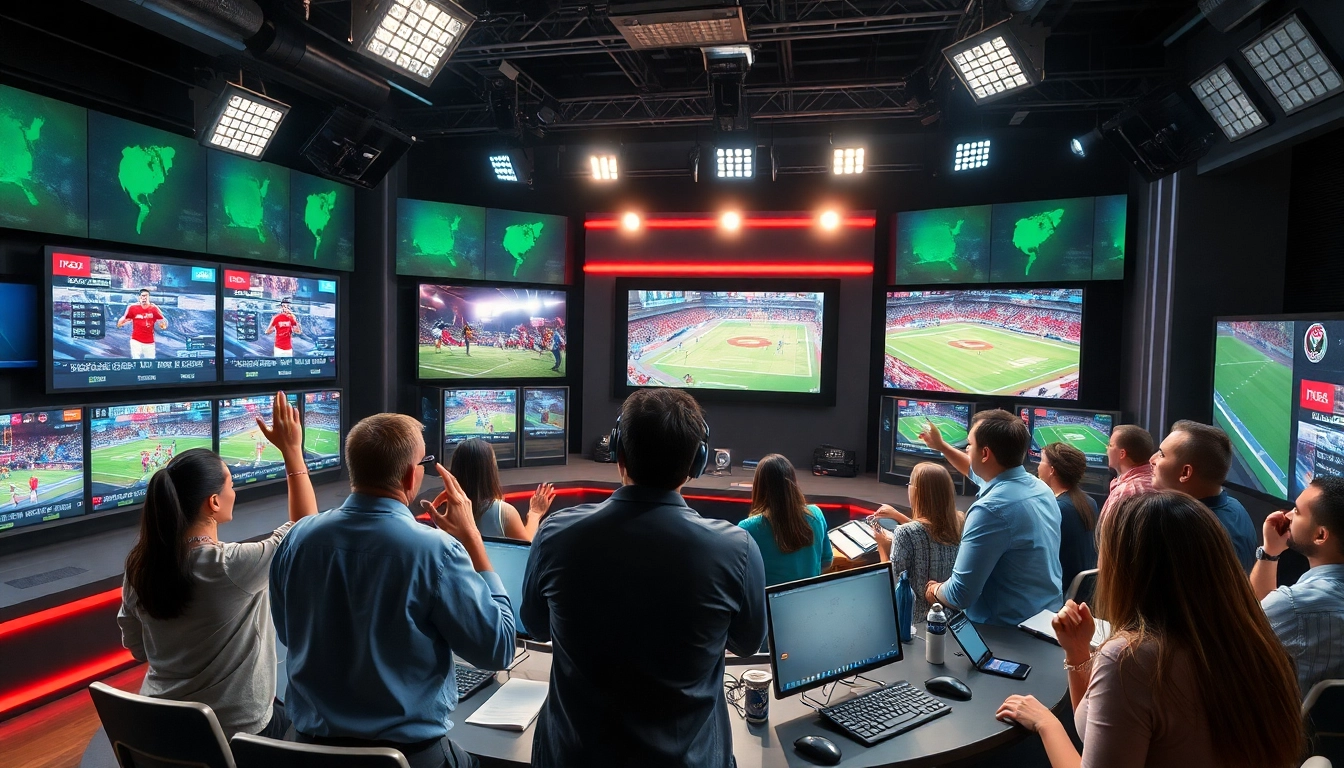
Understanding Sports Broadcasting
Sports Broadcasting is an intricate blend of entertainment, information, and technology aimed at delivering sporting events to audiences globally. With the evolution of media over the years, the landscape of Sports Broadcasting has dramatically transformed, influenced mainly by advancements in digital technology and shifting audience preferences. With live coverage now available across various platforms, broadcasting sports events has grown into an industry essential for both sports marketers and fans seeking immediate and engaging content. To delve deeper into this subject, it's beneficial to explore the foundational elements and emerging trends surrounding Sports Broadcasting.
The Evolution of Sports Broadcasting
The journey of Sports Broadcasting dates back to the early 20th century when radio became an influential medium. The first significant broadcast of a sporting event occurred in 1921 with a boxing match, laying the groundwork for future developments in the field. Television took Sports Broadcasting to new heights in the mid-20th century, providing visual experiences that radio could not offer. As technology advanced into the 21st century, the emergence of the internet radically transformed Sports Broadcasting. Live streaming and mobile applications began to dominate as audiences shifted towards on-demand viewing experiences.
Today, the sports broadcasting landscape is multifaceted, characterized by various platforms, including traditional television channels, online streaming services, and social media outlets. The rise of on-demand content has forced broadcasters to rethink their strategies, leading to a model that emphasizes accessibility, interactivity, and viewer engagement.
Key Terminology in Sports Broadcasting
To navigate the world of Sports Broadcasting effectively, understanding specific terminology is crucial. Here are some key terms:
- Play-by-Play: A live description of the events occurring in a sporting event, typically delivered by an announcer.
- Color Commentary: Expert analysis and opinions provided during the game, often adding depth to the play-by-play narration.
- Live Streaming: Broadcasting in real-time over the internet, allowing viewers to watch events as they happen.
- On-Demand Content: Pre-recorded segments available for viewers to watch at their convenience.
- Telecast: A term that combines "television" and "broadcast," referring to the airing of sporting events on TV.
Types of Sports Broadcasting Platforms
Various types of platforms broadcast sports, each with unique audiences and characteristics. The major categories include:
- Traditional Television: Major networks that have long provided live coverage of sporting events, often with significant advertising revenue.
- Cable Networks: Specialty channels that focus on specific sports or leagues, offering in-depth coverage and analysis.
- Streaming Services: Digital platforms that deliver live and on-demand content, transforming audience viewing habits significantly.
- Social Media: Platforms such as Twitter, Facebook, and YouTube that provide clips, highlights, and real-time updates to engage viewers more casually.
Best Practices in Sports Broadcasting
Adopting best practices in Sports Broadcasting is crucial for maintaining viewer engagement and enhancing the overall viewing experience. Here are some strategies that are integral to effective broadcasting:
Engaging Your Audience Effectively
Audience engagement is critical in Sports Broadcasting. Interactivity through social media, live polls, and commentary sections can enhance viewer involvement. Broadcasters should consider integrating real-time fan reactions and comments into broadcasts for a more immersive experience. Additionally, utilizing storytelling techniques can draw viewers into the history and rivalries surrounding events, enhancing emotional connections with the audiences.
Utilizing Technology and Tools
Technology continually shapes the landscape of Sports Broadcasting. Tools such as augmented reality (AR), virtual reality (VR), and sophisticated graphics have transformed how audiences consume content. Moreover, using analytics software to gather insights about viewer behavior can assist broadcasters in tailoring experiences according to audience preferences and enhancing engagement effectively.
Ensuring High Production Quality
High production quality is non-negotiable in the competitive arena of Sports Broadcasting. This includes clear audio, superior camera work, and effective lighting to enhance the viewing experience. Investing in quality equipment and skilled personnel ensures that events are not only broadcasted but presented in the best possible light, which helps maintain viewer loyalty and satisfaction.
Challenges in Sports Broadcasting
While the prospect of Sports Broadcasting is exciting and full of opportunities, several challenges pose significant hurdles:
Adapting to Rapid Technological Changes
The swift pace of technological advancements can be a double-edged sword. While it presents opportunities for enhancement, it also requires broadcasters to stay ahead of trends and continuously update their practices and equipment. Successful adaptation involves not just investing in the latest technologies but also training personnel to utilize them effectively.
Handling Legal and Ethical Considerations
Sports Broadcasting is rife with legal and ethical challenges ranging from rights management to data privacy. Understanding the legal frameworks around broadcasting rights, licensing agreements, and copyright issues is essential for any broadcaster. Additionally, ethical considerations such as responsible reporting and ensuring fair coverage are important factors in maintaining audience trust.
Overcoming Audience Fragmentation
With so many platforms available, audience fragmentation is a growing concern. Different demographics may prefer various platforms, leading to disjointed viewership. Broadcasters must navigate this by utilizing multi-platform approaches to ensure accessibility and reach diverse audiences wherever they are while providing a unified brand experience.
Trends Shaping the Future of Sports Broadcasting
As we look to the future, several trends are emerging that promise to reshape Sports Broadcasting significantly:
The Rise of Streaming Services
Streaming services have revolutionized how fans consume sports. With their flexible viewing options and extensive libraries of on-demand content, they cater to a new generation of viewers who favor convenience over traditional viewing experiences. This shift has compelled traditional broadcasters to explore partnerships or develop their own streaming platforms to remain competitive.
Interactive and Real-Time Features
Increasing emphasis on interactivity will characterize the future of Sports Broadcasting. Features such as real-time stats, interactive polls during games, and the option for viewers to choose camera angles or commentary styles enhance viewer engagement. These interactive elements offer a personalized viewing experience that can foster loyalty among audiences.
Data Analytics in Sports Broadcasting
Data analytics is becoming increasingly important in Sports Broadcasting, providing valuable insights into viewer preferences and behaviors. Broadcasters can leverage this data to refine content, improve engagement strategies, and deliver a more customized experience to their audience, ensuring their broadcasts meet viewer needs effectively.
Measuring Success in Sports Broadcasting
Determining the success of a Sports Broadcasting operation requires a clear understanding of performance metrics. Below are key elements to focus on:
Key Performance Indicators (KPIs)
Establishing KPIs is essential for evaluating the effectiveness of broadcasting strategies. Metrics to consider include viewership numbers during events, average watch time, and audience retention rates. These indicators provide valuable insights into what works and what needs improvement, enabling broadcasters to make informed decisions.
Feedback Loops and Audience Engagement Metrics
Incorporating feedback loops can significantly enhance the broadcasting experience. Surveys, social media engagement, and direct viewer feedback can be invaluable resources for gauging audience satisfaction. Metrics such as likes, shares, comments, and viewer discussions can paint a comprehensive picture of audience engagement with broadcasts.
Adjusting Strategies Based on Analysis
Success in Sports Broadcasting relies on adaptability. By regularly analyzing performance data and viewer feedback, broadcasting teams can refine their strategies and tailor content to audience preferences. This continuous improvement helps broadcasters maintain relevance and engage their audiences effectively.
Frequently Asked Questions
What is Sports Broadcasting?
Sports Broadcasting refers to the live or recorded transmission of sporting events across various platforms, including television, radio, and digital channels.
How has technology impacted Sports Broadcasting?
Technology has revolutionized Sports Broadcasting with real-time streaming, high-definition broadcasts, and interactive features that enhance viewer engagement.
What are the major platforms for Sports Broadcasting?
Major platforms include traditional television, cable networks, streaming services, and social media, each serving different audience preferences.
Why is audience engagement important in Sports Broadcasting?
Audience engagement is crucial for retaining viewers, building loyalty, and creating a community around sporting events, driving long-term success.
What challenges do Sports Broadcasters face today?
Challenges include rapid technological changes, legal considerations, audience fragmentation, and maintaining high production quality amid competition.