Understanding Window Tint Chattanooga
What is Window Tinting?
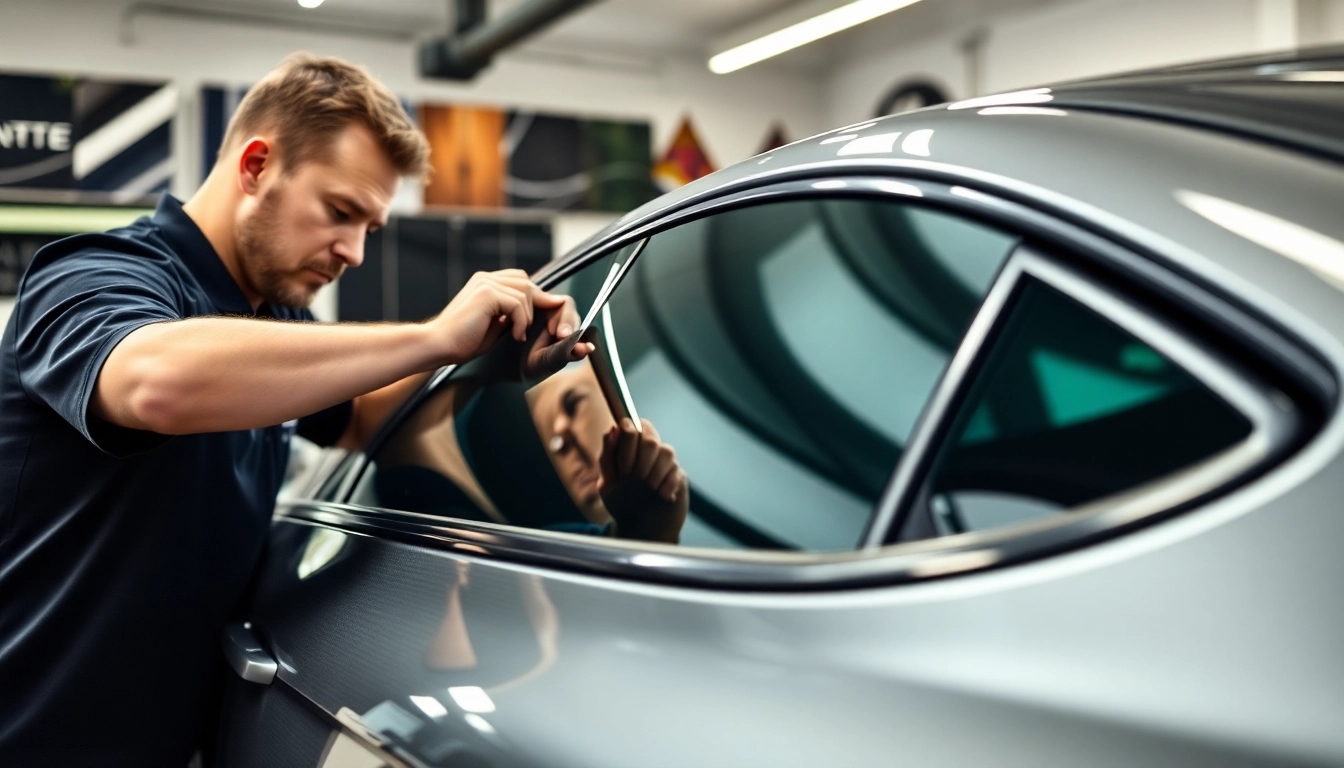
Window tinting refers to the application of a thin film or coating to the glass surfaces of a vehicle or building that can vary in shade and color. This process enhances aesthetics and serves practical purposes such as improving privacy, reducing glare, and blocking harmful UV rays. The process involves professionally applying the film to ensure adherence and optimal performance.
Benefits of Window Tint Chattanooga
Opting for window tint Chattanooga offers several advantages:
- UV Protection: Window tints can block up to 99% of harmful UV rays, which can cause skin damage and fade the car’s interior.
- Heat Rejection: Quality tints help keep your vehicle cooler by rejecting excessive heat, making summer rides more comfortable.
- Glare Reduction: Tints significantly diminish glare from sunlight and headlights, enhancing driving comfort and safety.
- Privacy and Security: Tinted windows provide increased privacy and deter break-ins by obscuring the interior from plain view.
- Enhanced Aesthetics: A well-chosen tint can enhance your vehicle's appearance, giving it a sleek and polished look.
Types of Window Films Available
There are several types of window films to choose from, each with its benefits:
- Dyed Window Film: Provides privacy and aesthetics but offers minimal heat rejection.
- Metalized Window Film: Reflects heat, enhancing energy efficiency but may interfere with radio signals.
- Carbon Window Film: Offers excellent UV protection and heat rejection without a metallic finish.
- Ceramic Window Film: A high-end option that provides superior heat rejection while maintaining clear visibility.
- Security Window Film: Designed to hold shattered glass together, providing additional safety for vehicle occupants.
Selecting the Right Window Tint Chattanooga
Factors to Consider When Choosing
Choosing the right window tint involves evaluating various factors:
- Climate: Consider the local climate and choose a tint that can effectively block heat and UV rays, particularly important in warmer climates like Chattanooga.
- Visual Needs: Determine your aesthetic preferences and whether you prefer darker tints for privacy or lighter shades for visibility.
- Legal Compliance: Ensure your selected film complies with state regulations regarding tint darkness and reflectivity.
- Quality of Film: Invest in higher-quality films that offer better durability, warranty, and performance.
Legal Regulations for Tints
Before applying window tint, it's crucial to understand local laws. In Tennessee, regulations dictate the legal limits for visibility and darkness for different vehicle windows. Generally, the front windshield must allow more than 70% of light in, while the back windows can be tinted darker. Always check the latest local laws regarding window tinting to avoid penalties.
Understanding UV Protection and Heat Rejection
UV protection and heat rejection are critical factors when selecting tinting films. High-quality window films can block up to 99% of UV rays, minimizing the risk of skin damage and fading interior upholstery. In terms of heat rejection, window tints can significantly reduce the amount of solar heat that enters your vehicle, optimizing comfort while driving and potentially lowering air conditioning costs.
Professional Installation vs. DIY Window Tint Chattanooga
Benefits of Professional Installation
While DIY window tinting offers a cost-saving alternative, professional installation comes with several benefits:
- Expertise: Professionals possess the knowledge and skills to apply the film correctly, ensuring no bubbles or imperfections.
- Quality Assurance: Professional installers often use high-quality films that are more durable and effective.
- Warranty: Most professional installations come with a warranty that guarantees the quality and longevity of the tint.
Risks of DIY Tinting
Engaging in DIY tinting can lead to numerous issues:
- Poor Application: Inexperience can result in improper application, leading to bubbling or peeling.
- Subpar Material: DIY kits may use lower-quality materials that do not perform well against UV or heat.
- Legal Issues: Failing to adhere to local tint regulations can result in fines or the need to remove the film.
Choosing the Right Professionals
When selecting professionals for window tinting, consider the following:
- Experience: Look for companies with a proven track record in window tinting.
- Customer Reviews: Seek out testimonials and reviews from past customers to gauge satisfaction.
- Portfolio: Request to see past work to assess the quality of their installations.
- Certification: Check for industry certifications that demonstrate expertise in installation techniques.
Maintenance and Care for Window Tints
How to Maintain Your Tint
Maintaining your window tint is essential for longevity and performance. Here are some maintenance tips:
- Wait Before Cleaning: After installation, wait at least a week before cleaning the windows to avoid damaging the tint.
- Use Gentle Cleaners: Avoid harsh chemicals; instead, use pH-neutral cleaners with a soft cloth.
- Avoid Scrubbing: Do not scrub the tinted windows aggressively, which may scratch the film.
Common Problems and Solutions
Some common issues with window tinting include:
- Bubbling: Can be caused by improper installation or moisture trapped underneath. If caught early, an experienced technician can fix it.
- Peeling: This can occur due to low-quality material or environmental conditions. Replacing the film may be necessary.
- Fading: High exposure to direct sunlight can cause fading. Opt for high-quality films designed to resist UV exposure.
When to Replace Your Window Tint
Window tints should be replaced under certain conditions:
- Visible Damage: If the film is bubbling, peeling, or faded, it’s time for replacement.
- End of Life: Most window tints last between 5 to 10 years. If yours is approaching this age, consider re-evaluation.
- Change in Regulations: If local laws change regarding tint darkness, you may need to update your tinting film.
Frequently Asked Questions about Window Tint Chattanooga
How long does window tint last?
Typically, high-quality window tint can last between 5 to 10 years with proper care, depending on the material and environmental factors.
Is window tinting legal in Chattanooga?
Yes, there are specific regulations for tint darkness and reflectivity in Chattanooga; always verify local laws before installation.
Can I wash my car after tinting?
It's best to wait at least a week before washing your car to ensure the tint has cured completely and adheres properly.
Does window tinting reduce glare?
Yes, window tinting significantly reduces glare from sunlight and headlights, improving driving comfort and safety.
Can window tint affect my car's resale value?
Quality tint can enhance resale value by protecting the interior, making your vehicle more appealing to potential buyers.