
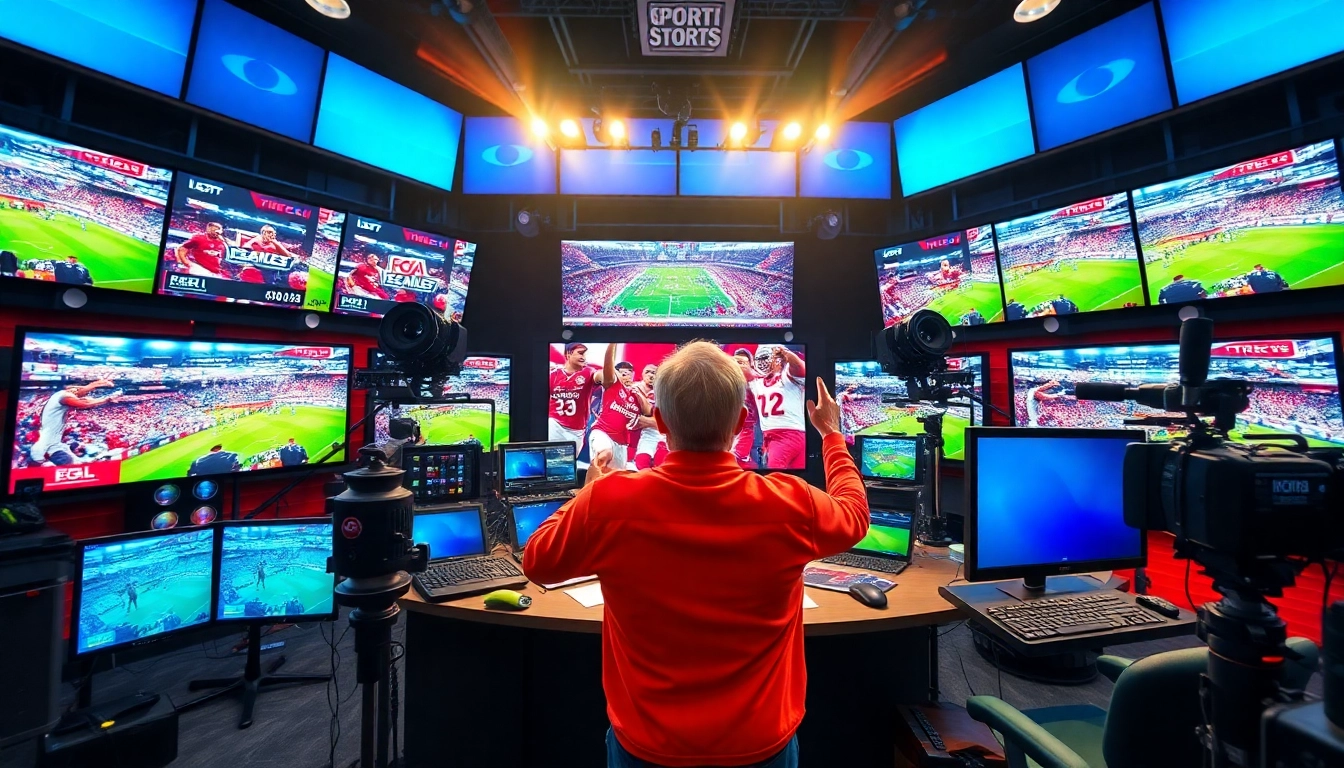
Understanding the Landscape of Sports Broadcasting
Defining Sports Broadcasting and Its Significance
Sports broadcasting is the distribution of live and recorded sports events through various media platforms, including television, radio, and the internet. This integral practice not only entertains millions but also plays a crucial role in the economy, culture, and social fabric of society. The combination of passion for sports and advancements in technology has shaped this field into a dynamic arena for audience engagement. In today’s digital age, the importance of sports broadcasting is further amplified as fans increasingly seek immediate access to their favorite teams and events from virtually anywhere in the world. The rise of online platforms has established Sports Broadcasting as a significant player in modern media consumption.
The Evolution of Sports Broadcasting
The journey of sports broadcasting has undergone remarkable transformations since its inception. Initially, sports coverage was limited to newspapers and radio broadcasts, providing basic updates and play-by-play descriptions. The introduction of television in the mid-20th century revolutionized how fans consumed sports, introducing visual elements that brought excitement directly into living rooms. The last few decades have witnessed the rapid evolution of broadcasting technologies, leading to the advent of cable television, satellite broadcasting, and now streaming services, which provide fans with unprecedented choices and flexibility in how they watch their favorite sports.
Key Trends Shaping the Future of Sports Broadcasting
As technology continues to advance, several key trends are emerging that will significantly shape the future of sports broadcasting.
- Mobile Streaming: With the increasing use of smartphones, mobile streaming is becoming a dominant medium for audiences to access live sports anywhere, fostering a more engaged fan base.
- Personalized Content: Using data analytics to understand viewer preferences allows broadcasters to offer customized content experiences, enhancing viewer satisfaction.
- Esports Integration: Traditional sports networks are increasingly incorporating esports into their programming, tapping into new demographics and expanding their audience base.
- Interactive Viewing: Enhancements such as live stats, player insights, and alternate camera angles are being integrated to create a more interactive viewing experience.
- Sustainability Initiatives: The industry is witnessing a shift toward sustainability, incorporating environmentally-friendly practices and highlighting green sports initiatives.
Technology’s Role in Sports Broadcasting
Innovative Tools and Software
Technology plays a pivotal role in enhancing the sports broadcasting landscape. Innovative tools and software have revolutionized live event coverage and post-production processes. Comprehensive statistics software provides detailed game analyses, enabling commentators to deliver informed insights during broadcasts. Moreover, editing software allows for seamless production of highlights and in-depth analyses. The introduction of artificial intelligence in video footage analysis enhances replay features, enabling broadcasters to deliver real-time updates and engage viewers more effectively.
Mobile Applications and Live Streaming Dynamics
The rise of mobile applications has fundamentally changed how fans interact with sports content. Services offering live streaming capabilities allow fans to watch games in real-time on their devices, regardless of their physical location. These applications often include features such as push notifications for scores, player stats, and tailored content, enhancing the overall user experience. As 5G technology becomes ubiquitous, the quality and reliability of mobile streaming will continue to improve, solidifying its role as a primary method of sports content consumption.
Augmented Reality and Virtual Reality in Sports
Augmented reality (AR) and virtual reality (VR) technologies are pioneering new ways to experience sports broadcasting. AR applications can overlay statistics and player information onto a viewer’s screen during a live game, enriching the narrative without distracting from the action. Similarly, VR offers immersive experiences, such as virtual stadium tours or 360-degree game views, allowing fans to feel as though they’re part of the event. These cutting-edge technologies are not only changing the way fans engage with sports but also creating exciting avenues for broadcasters to innovate their offerings.
Content Creation for Sports Broadcasting
Producing Captivating Sports Commentary
Engaging commentary is pivotal to the sports broadcasting experience. Quality sports commentators not only provide insightful analysis but also enhance the emotional connection between the audience and the event. They utilize storytelling techniques to build excitement and drama around games, keeping viewers engaged throughout. Training aspiring commentators to develop their skills in voice modulation, pacing, and audience engagement strategies is essential to produce captivating broadcasts that resonate with fans.
Leveraging Highlights and Replays Effectively
Highlights and replays are critical components of sports broadcasts, serving to emphasize key moments of the event. Effective highlight production requires a keen understanding of what moments evoke excitement and which show strategic significance. Analyzing viewer preferences can guide broadcasters in curating highlights that resonate with their audience. Creating visually compelling highlight reels through advanced editing techniques ensures that viewers not only relive memorable moments but also maintain interest in future broadcasts.
Incorporating Social Media for Broader Reach
Social media platforms have emerged as vital tools for sports broadcasters to engage with their audience before, during, and after an event. By leveraging platforms like Twitter, Instagram, and Facebook, broadcasters can provide real-time updates, behind-the-scenes content, and interactive experiences that foster community involvement. Furthermore, integrating social media discussions into live broadcasts can create a two-way interaction channel, allowing fans to voice their opinions and experiences, enhancing overall engagement.
Building a Brand in Sports Broadcasting
Creating a Distinct Identity
In a competitive environment, establishing a unique brand identity is essential for sports broadcasters. This requires a clear understanding of target demographics and the unique value proposition offered to them. A compelling brand narrative, along with consistent messaging and visual aesthetics, can aid in differentiating broadcasters in a saturated market. Developing a distinct identity that resonates with fans fosters loyalty and helps build a dedicated audience base.
Engaging with Fans and Cultivating Loyalty
Fan engagement is crucial for building loyalty. This can be achieved through interactive content, community events, and consistent communication channels. Utilizing fan feedback to tailor broadcasting strategies ensures that audiences feel valued and heard. Additionally, creating reward programs and loyalty initiatives can further deepen the connection between fans and the broadcaster, leading to a robust and enduring viewership base.
Partnerships and Sponsorships
Strategic partnerships and sponsorships can significantly enhance brand visibility and revenue streams for sports broadcasters. Collaborating with sports organizations, event organizers, and brands can yield mutual benefits through co-marketing campaigns and content sharing. These partnerships can also extend the broadcaster’s reach, providing pathways to new audiences and maximizing engagement opportunities across various platforms.
Measuring Success in Sports Broadcasting
Key Performance Indicators to Track
Measuring success in sports broadcasting involves monitoring key performance indicators (KPIs) that provide insights into viewer engagement and overall effectiveness. Metrics such as audience ratings, viewer retention rates, and social media interaction levels are vital for evaluating broadcast performance. Identifying these KPIs allows broadcasters to make informed decisions about content strategies and promotional activities that resonate with their audience.
Analyzing Viewer Behavior and Engagement
Understanding viewer behavior is fundamental to cultivating a successful broadcasting strategy. Utilizing analytics tools to monitor viewer patterns, preferences, and interactions can lead to valuable insights. This data can guide content creation, ensuring it aligns with audience expectations and interests. Furthermore, segmenting the audience into distinct demographics empowers broadcasters to tailor applications and marketing efforts for maximum impact.
Adapting to Feedback for Continuous Improvement
Feedback mechanisms are essential for continuous improvement in sports broadcasting. Regularly collecting and analyzing viewer feedback allows broadcasters to adapt content and delivery styles actively. Implementing changes based on audience input not only enhances viewer satisfaction but also fosters a community-centric broadcasting approach. Ensuring that feedback channels are open and responsive cultivates a lasting relationship with the audience, keeping them engaged and invested in future broadcasts.
Frequently Asked Questions
What is sports broadcasting?
Sports broadcasting entails transmitting live or recorded sports events across various platforms like TV, radio, and online channels, allowing fans to follow their favorite teams and events.
How has technology influenced sports broadcasting?
Technology has revolutionized sports broadcasting with tools for live streaming, data analytics, and immersive experiences like AR and VR, enhancing viewer engagement and interactivity.
Why is social media important in sports broadcasting?
Social media expands reach, offers real-time engagement, and allows for interactive content that enhances viewer participation, creating a community around sports events.
What metrics are crucial for measuring success in sports broadcasting?
Key metrics include audience ratings, viewer retention, social media engagement levels, and audience feedback, which help refine content and strategies.
How can broadcasters engage with their fans effectively?
Effective engagement strategies include interactive content, community events, feedback loops, and rewards programs that make fans feel valued and connected.