Understanding Raphia: The Essential Guide
Raphia, a natural fibre derived from the leaves of the Raphia palm, has woven itself into the fabric of sustainable fashion and artisanal craftsmanship. Known for its versatility and aesthetic appeal, raphia stands as a prominent material in contemporary design, especially in the creation of bags. These handcrafted treasures are not merely accessories but rather embodiments of culture and tradition, often fashioned by skilled artisans in Madagascar, where the palm is native. When exploring options, raphia provides comprehensive insights into this unique weaving art that merges style with sustainability.
What is Raphia and Its Origins?
Raphia is derived from the Raphia palm, most notably the Raphia farinifera species, which thrives across tropical regions. Historically, the use of raphia can be traced back to various cultures that utilised its strong and flexible fibres for practical and decorative purposes. The palms themselves can grow up to 25 metres tall, producing long, fan-like leaves that are harvested sustainably. Madagascar, renowned for its abundant raphia palms, has become synonymous with high-quality raphia craftsmanship, turning this natural resource into beautiful, functional art pieces.
The Unique Characteristics of Raphia Material
What sets raphia apart is its combination of strength and elegance. The fibres are exceptionally strong yet surprisingly soft, making them ideal for woven products like bags. Raphia displays a natural lustre and can be dyed in various hues, allowing artisans to create striking designs that cater to diverse aesthetic tastes. Additionally, it is lightweight, making bags crafted from raphia not only stylish but also practical for everyday use.
Caring for Your Raphia Bags: Best Practices
How to Clean and Maintain Raphia
To prolong the life of your raphia bag, routine maintenance is essential. Gently brush off dust and dirt with a soft, dry cloth. For deeper cleaning, use a damp cloth with mild soap and avoid soaking the material, as water can weaken the fibres. It is advisable to let the bag air dry away from direct sunlight to prevent fading and degradation.
Storage Tips to Prolong the Life of Your Bag
Proper storage is crucial for maintaining the shape and integrity of your raphia bag. When not in use, store it in a cool, dry place, ideally in a dust bag to protect it from environmental elements. Avoid crushing the bag under heavier items to maintain its shape. If your bag has a structured style, consider stuffing it with tissue paper to preserve its form.
Common Mistakes When Caring for Raphia
One common mistake is exposing raphia bags to excessive moisture or humidity. This can lead to mould and a breakdown of the fibres. Additionally, neglecting to clean your bag regularly can result in a buildup of dirt that can be difficult to remove later. Lastly, using harsh chemicals or abrasive cleaning tools can damage the delicate fibres.
Choosing the Perfect Raphia Bag: A Comprehensive Guide
Key Factors to Consider When Shopping
When shopping for a raphia bag, consider the following factors: the bag's size, style, and durability, as well as its intended use. Think about whether you need a spacious tote for daily errands or a smaller clutch for special occasions. Assess the quality of craftsmanship, ensuring the braiding and stitching are secure and well-finished.
Understanding Different Styles and Uses
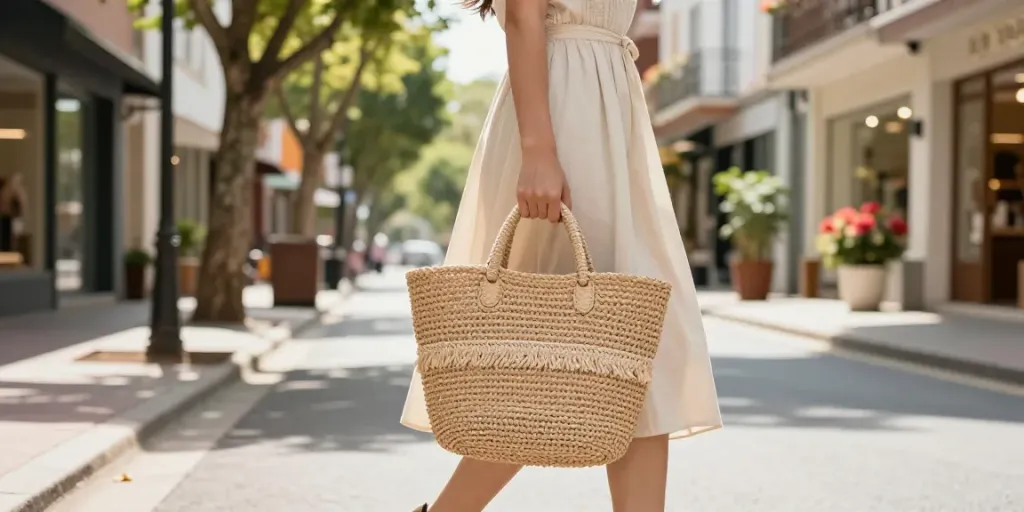
Raphia bags come in various styles, including totes, clutches, and backpacks. Each serves different purposes; for instance, a large tote is perfect for beach outings or shopping trips, while a chic clutch is ideal for evening events. Understanding the occasion helps narrow down your choices.
Raphia Bags for Various Occasions
The versatility of raphia bags means they can transition seamlessly from casual to formal settings. A brightly coloured tote can accompany a summer dress, while a neutral-toned handbag pairs beautifully with evening attire. Accessories can also elevate the overall look, such as adding a scarf or decorative charm to your bag.
Raphia: Sustainable Fashion and Ethical Considerations
The Environmental Impact of Raphia Production
Raphia production is relatively low-impact compared to synthetic alternatives. The harvesting of raphia leaves involves minimal ecological disruption, and the palms continue to thrive post-harvest. Investing in raphia products fosters a more sustainable approach to fashion, promoting environmental stewardship.
How to Ensure Ethical Sourcing of Raphia
To ensure the ethical sourcing of raphia, it is important to research brands and their supply chains. Choose companies that support local artisans and employ fair trade practices. This not only ensures quality products but also uplifts communities that rely on this age-old craft.
Supporting Artisan Communities Through Your Purchases
Purchasing raphia bags from artisan communities not only provides you with unique, handcrafted items but also helps sustain local economies. By valuing traditional craftsmanship, consumers play a vital role in preserving these artisanal techniques for future generations.
The Future of Raphia in Fashion: Trends for 2026 and Beyond
Emerging Designs and Innovations in Raphia Bags
The future of raphia bags looks vibrant with innovative designs emerging in 2026. Expect to see hybrid bags that combine raphia with other sustainable materials, enhancing durability and style. Additionally, technology integration, such as RFID blocking for security, may begin to appear in high-end raphia collections.
Predicted Trends in Raphia Usage
As eco-consciousness grows among consumers, the demand for raphia bags is likely to soar. Designers are expected to explore unique textures and colours to create statement pieces that resonate with eco-friendly fashion trends. Collaboration with contemporary artists may also give rise to limited-edition raphia bags that are both functional and collectible.
How to Stay Ahead in Raphia Fashion
To remain at the forefront of raphia fashion, stay updated on rising trends through fashion blogs, social media influencers, and sustainability-focused platforms. Engaging with raphia brands and attending artisan fairs can also provide insights into upcoming styles and innovations.
What is the significance of Raphia in sustainable fashion?
Raphia's significance in sustainable fashion lies in its renewable nature and the ethical practices often associated with its production. As consumers increasingly seek environmentally responsible options, raphia stands out as a viable alternative that marries aesthetics with sustainability.
How can I ensure the quality of my Raphia bag?
To ensure the quality of your raphia bag, examine the craftsmanship closely. Look for tightly woven fibres, even dyeing, and sturdy handles. Additionally, purchasing from reputable brands known for their artisanal practices can further guarantee quality.
What styles of Raphia bags are trending this year?
This year, oversized totes, minimalistic clutches, and raphia backpacks are trending. The focus is on versatility and practicality, allowing for both daily use and special occasions. Unique embellishments and vibrant colours also continue to make a statement.
Is Raphia a sustainable material for fashion products?
Yes, raphia is a sustainable material, especially when harvested responsibly. It is biodegradable and requires less energy to produce compared to synthetic materials, making it a favourable choice for environmentally conscious consumers.
How can I identify an authentic Raphia bag?
Authentic raphia bags are typically handmade, showcasing unique characteristics in their weave and design. Look for labels or certificates that indicate fair-trade practices or artisan-made products, as these often signify authenticity and quality craftsmanship.